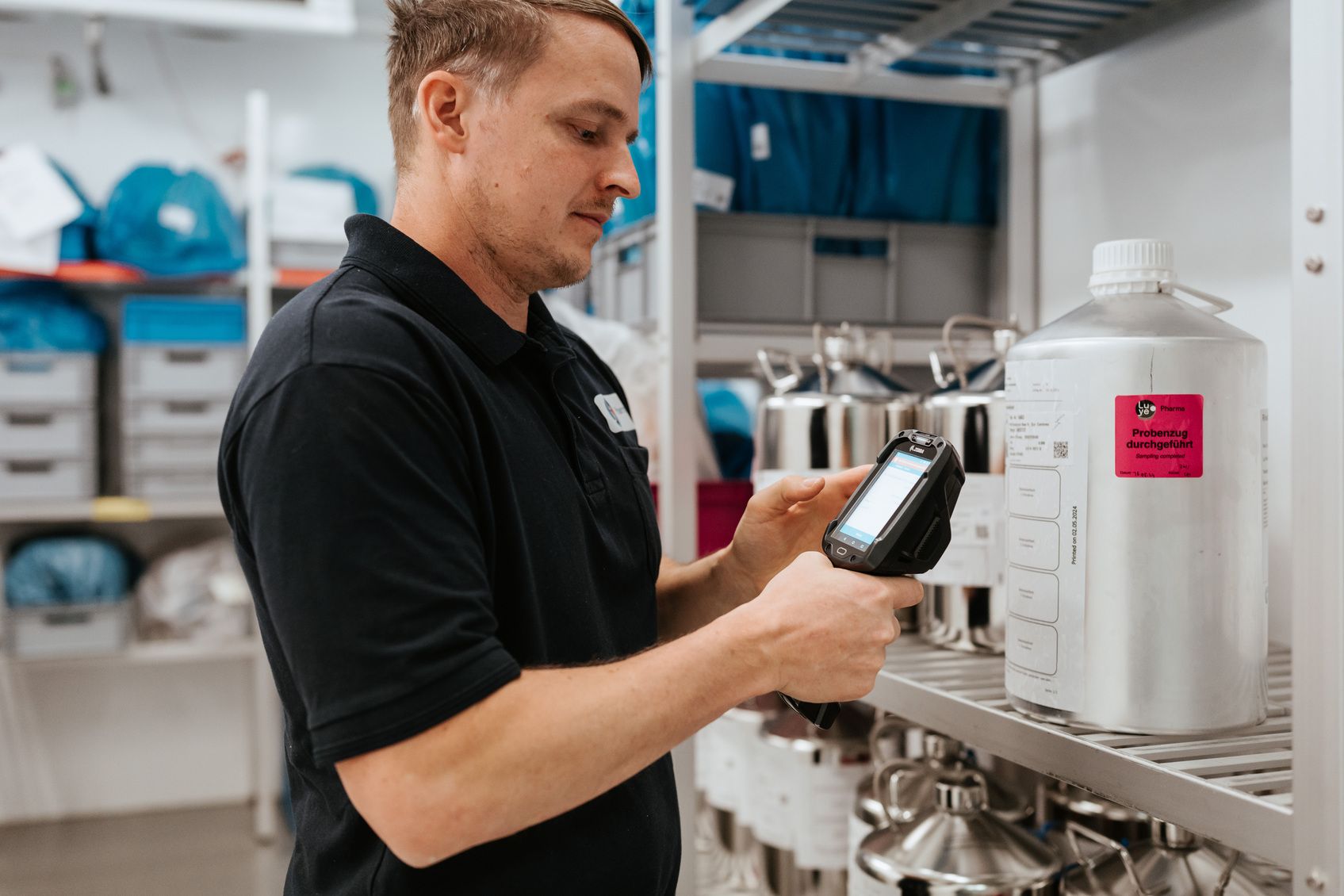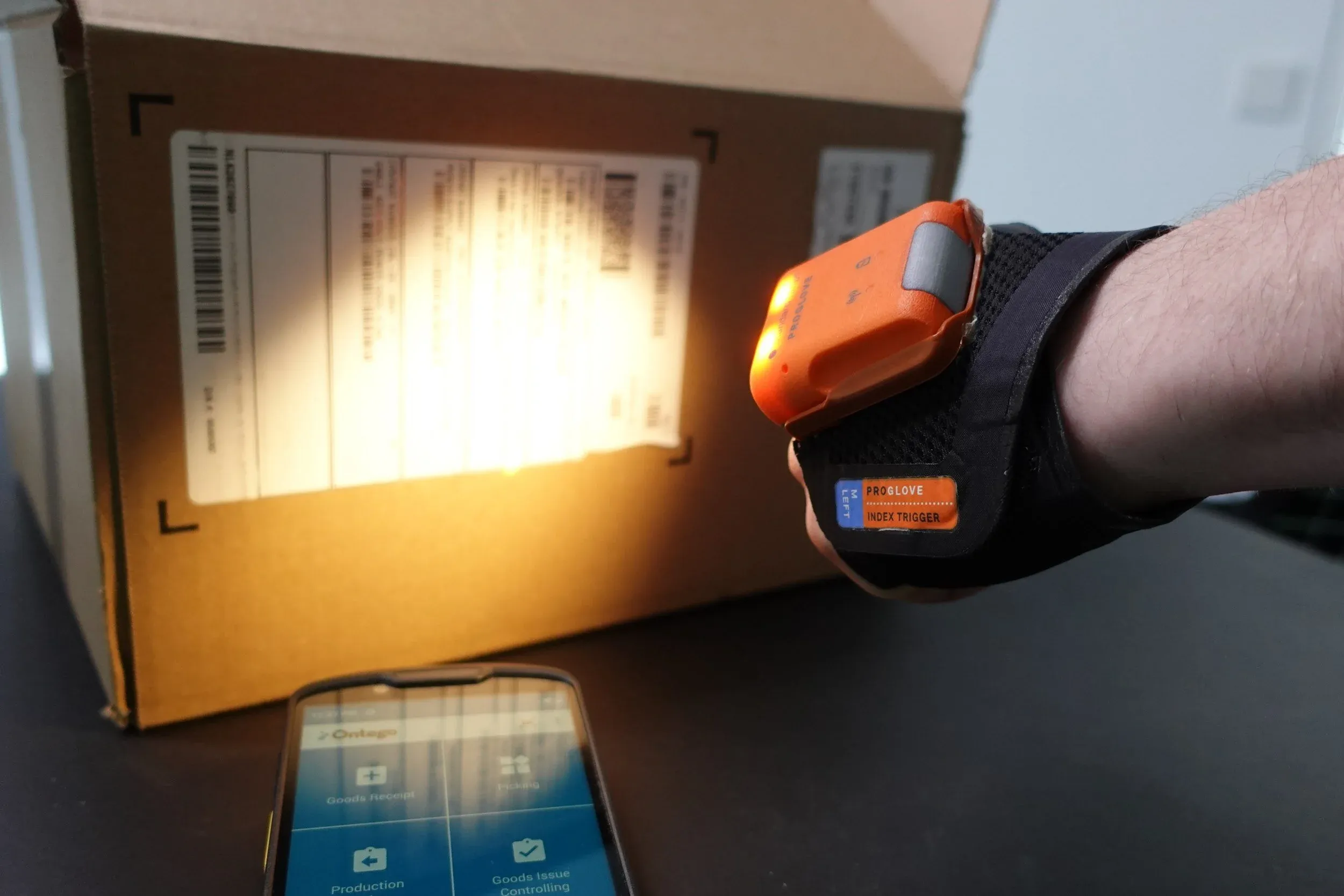

Feeder manufacturer Chemex Foundry Solutions has fundamentally restructured its annual inventory process. What used to work with paper lists, handwriting, and subsequent manual entry into Excel now runs fully digital with mobile scanners. The result: inventory duration cut in half, significantly reduced staffing requirements, and a noticeably higher level of data quality.
Do you have questions about digital SAP inventory?
Chemex Foundry Solutions was founded in 1974 as a subsidiary of Hüttenes-Albertus Chemische Werke GmbH and today belongs to an international network of around 1,800 employees in more than 30 countries. At its headquarters in Delligsen, Lower Saxony, Chemex develops and produces specialized feeder systems for foundries worldwide — including the patented Tele-Feeder with innovative telescoping technology.
A first SAP inventory as a wake-up call
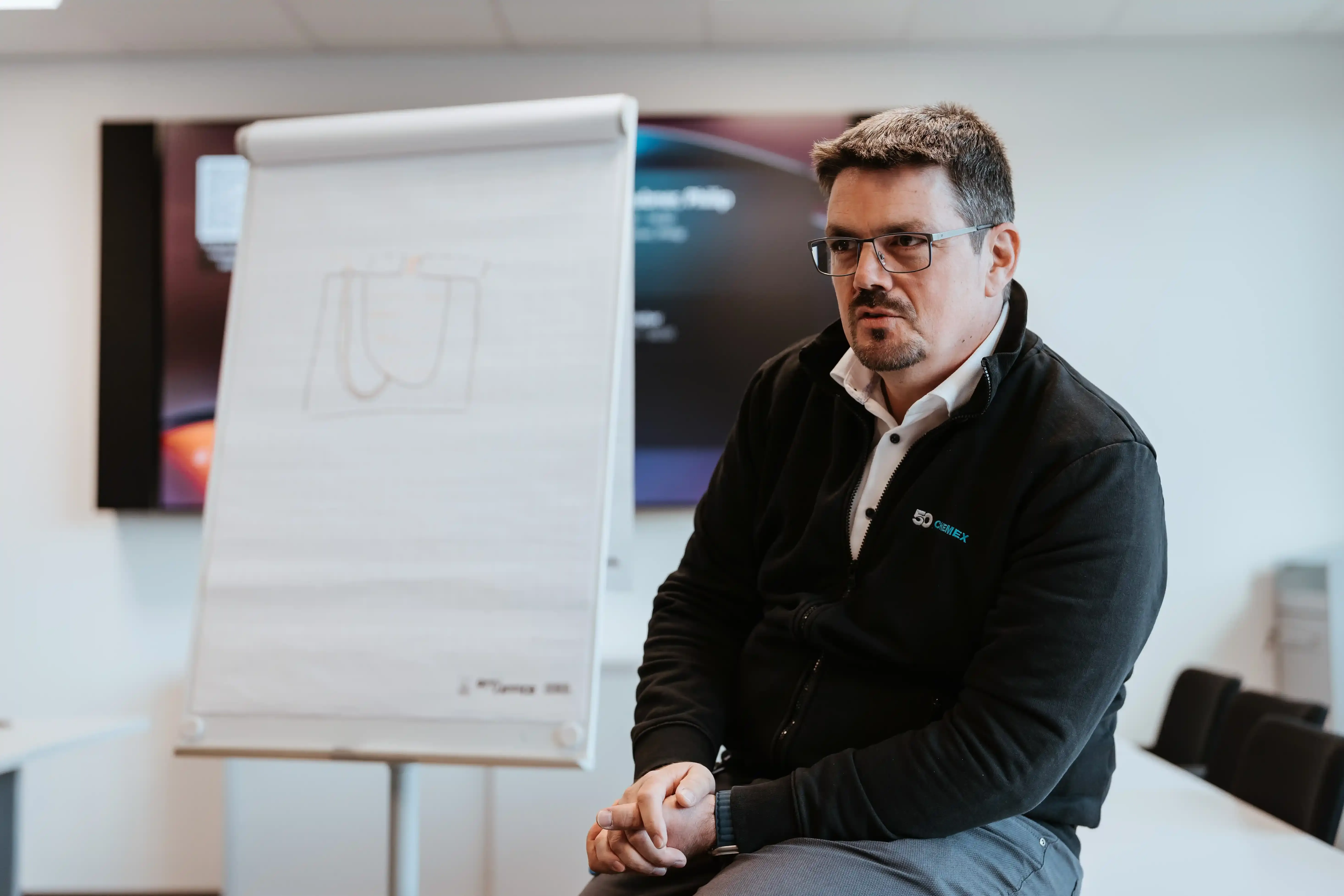
When Philip Deubner, responsible for inventory management and logistics at the Delligsen site, carried out his first stocktake at the end of 2022, he encountered the following classic scenario: counting teams moved through the warehouse in pairs — one counted, one wrote. The results ended up in binders and were then manually typed into an in-house Excel tool that was supposed to transfer the data into SAP. A process with multiple media discontinuity and potential sources of error: illegible handwriting, transposed digits during data entry, no automatic validation of material numbers.
On the last working day before Christmas 2022, the team waited hours for an error-free SAP posting. The transfer kept failing — too many materials, too much complexity. Eventually it worked. The inventory result was correct. But Deubner made a firm personal resolve: the counting process had to become more efficient.
Digitalization as the Logical Next Step
The prerequisites for a digital solution had long been in place: all pallets and items already carried Data Matrix codes. What was missing was the consistent use of this infrastructure during inventory — for example, through a mobile SAP solution for the inventory process.
An additional requirement had also appeared on the agenda: with the introduction of batch management — on top of approximately 6,000 to 7,000 different material numbers — manual recording would have become entirely impractical. This led to the decision to adopt the SAP standard inventory process, carried out with mobile scanners: inventory documents are created centrally in the system and processed directly via the scanners — no paper, no manual typing, no media discontinuity. As early as 2023, the first inventory run using this approach went significantly more smoothly than the previous year. In 2024, three full inventory counts followed.
How mobile data capture systematically reduces inventory discrepancies is also illustrated by the example of MKN Machine Factory — where discrepancies dropped to one-sixteenth of their original value after the introduction of scanners.
Transparency Through the Inventory Control Station
A particular highlight is the database layer through which every individual count can be traced without gaps. Since Chemex operates only a single storage location across the entire plant in SAP, this layer enables precise spatial tracking for the first time: before each count entry, the shelf is scanned using a Data Matrix code — the system then knows exactly in which part of the building, which shelf unit, and which shelf column a material is located. This greatly simplifies recount procedures and also impressed the auditors:
"The auditors never asked for a certificate. What mattered to them was: is every scan documented — and can I prove the identity between what was scanned and what is in the system? Both of these we can show very easily via the database layer."
The seamless scan documentation is no coincidence, but rather the result of a cleanly implemented SAP integration via mobile interfaces. Every scan is written back to SAP in real time — with no intermediate steps, no manual transfer.
Results: Half the Time, Fewer Staff Required, Higher Quality
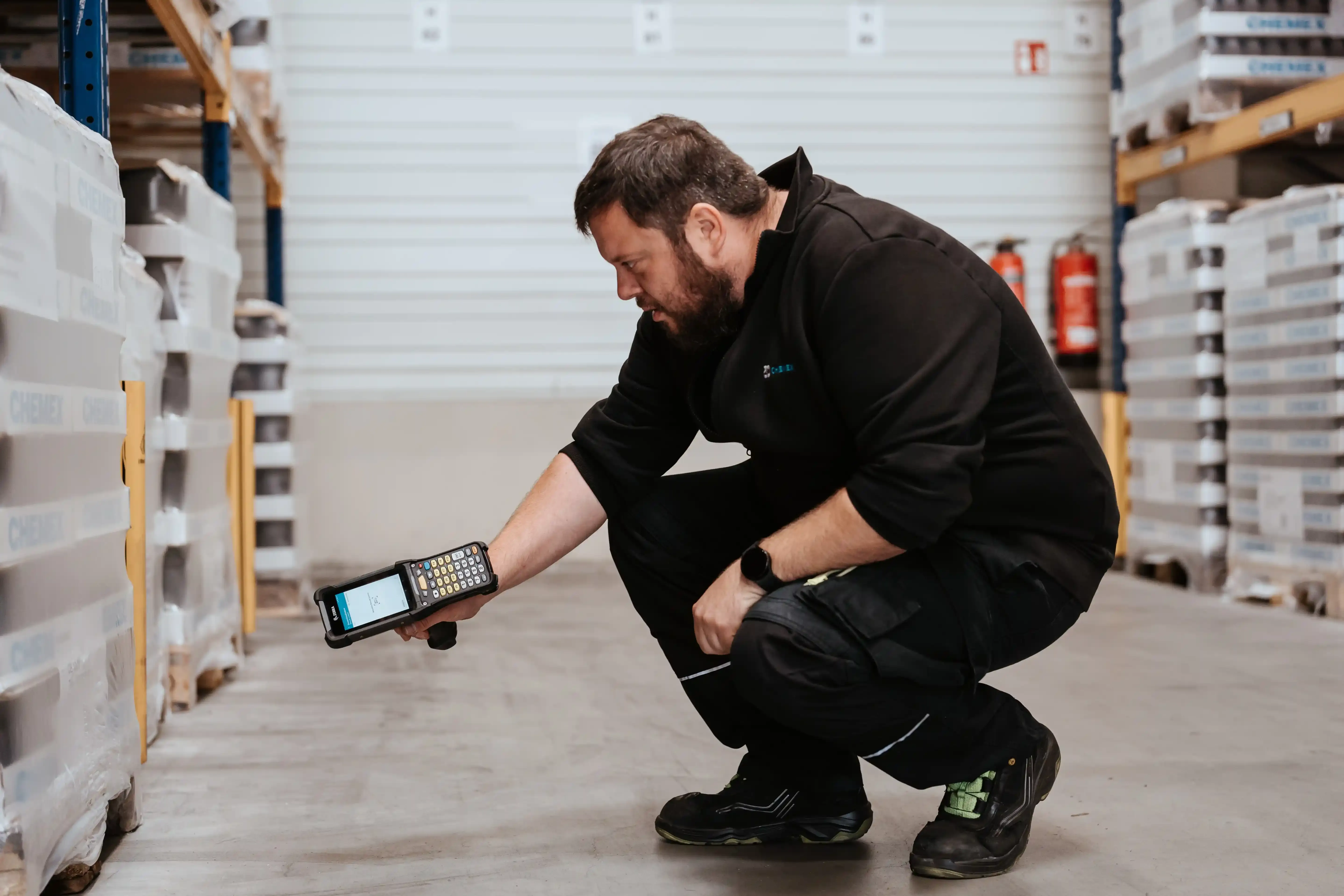
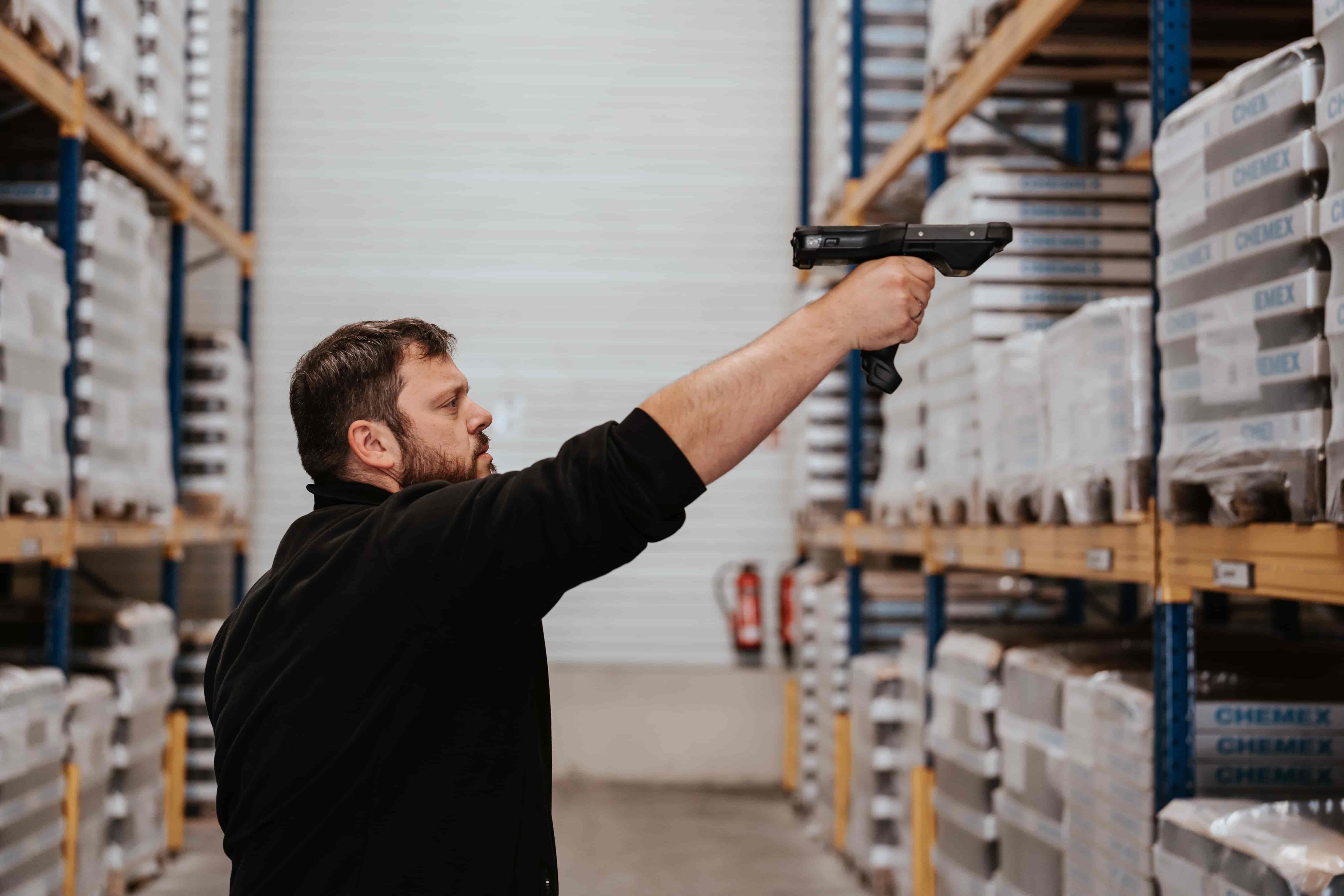
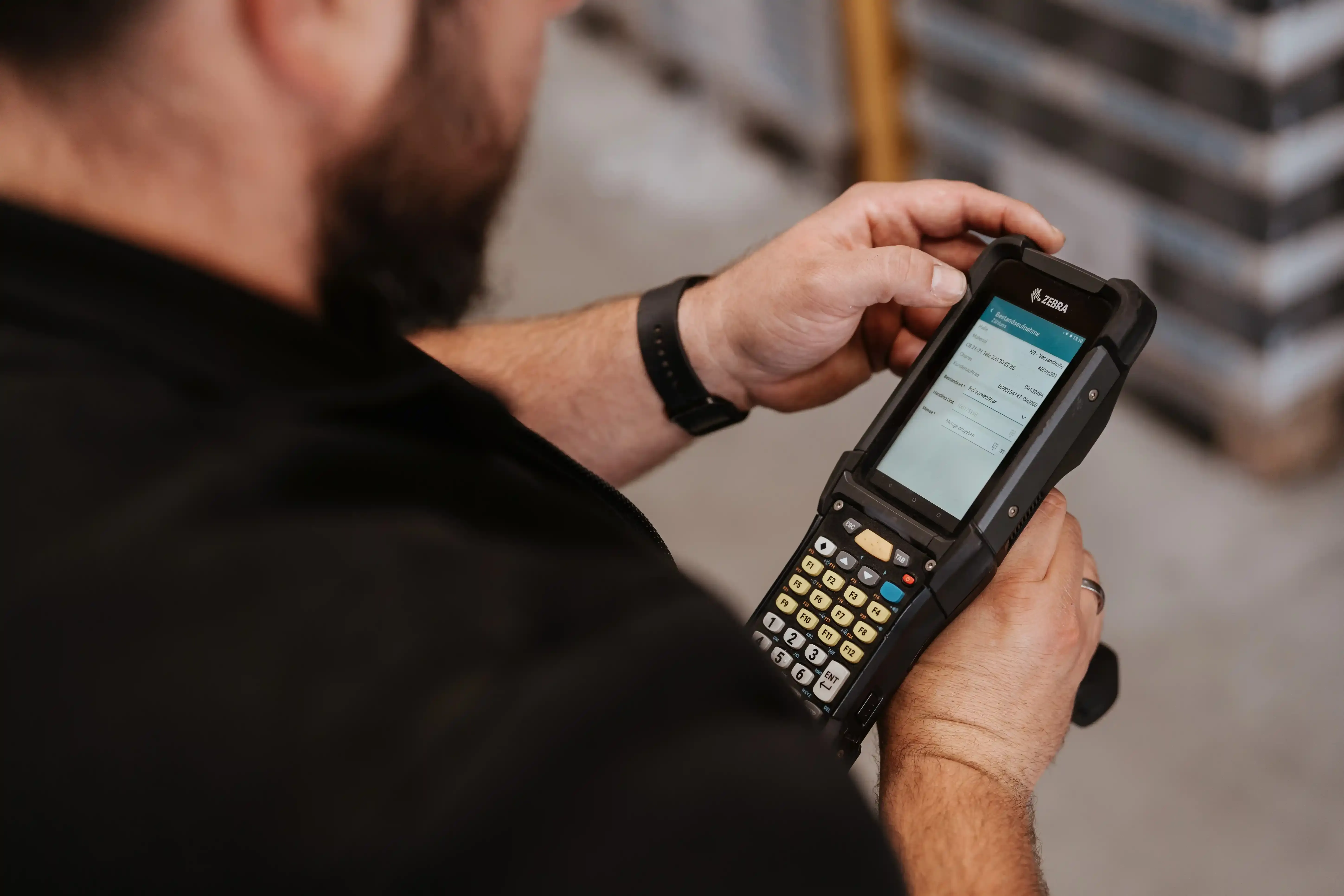
- Inventory duration cut in half: from 4 days of pure counting to around 2 days for counting including SAP posting
- Error sources eliminated: no manual data entry, automatic validation of material numbers
- Audit-compliant: complete scan documentation met all requirements — with two different auditing firms
- Scalable: three full stocktakes were carried out in 2024
Conclusion
For Chemex, the digital SAP inventory process was not just a process improvement, but the entry point into a broader digitalization strategy. Mobile maintenance, the digitalization of goods receipt, and further SAP processes are on the agenda — and other sites within the HA Group are already benefiting from the experience gained in Delligsen.

Know-how
Speak to an expert in mobile data capture in SAP logistics.