 copy.jpg)

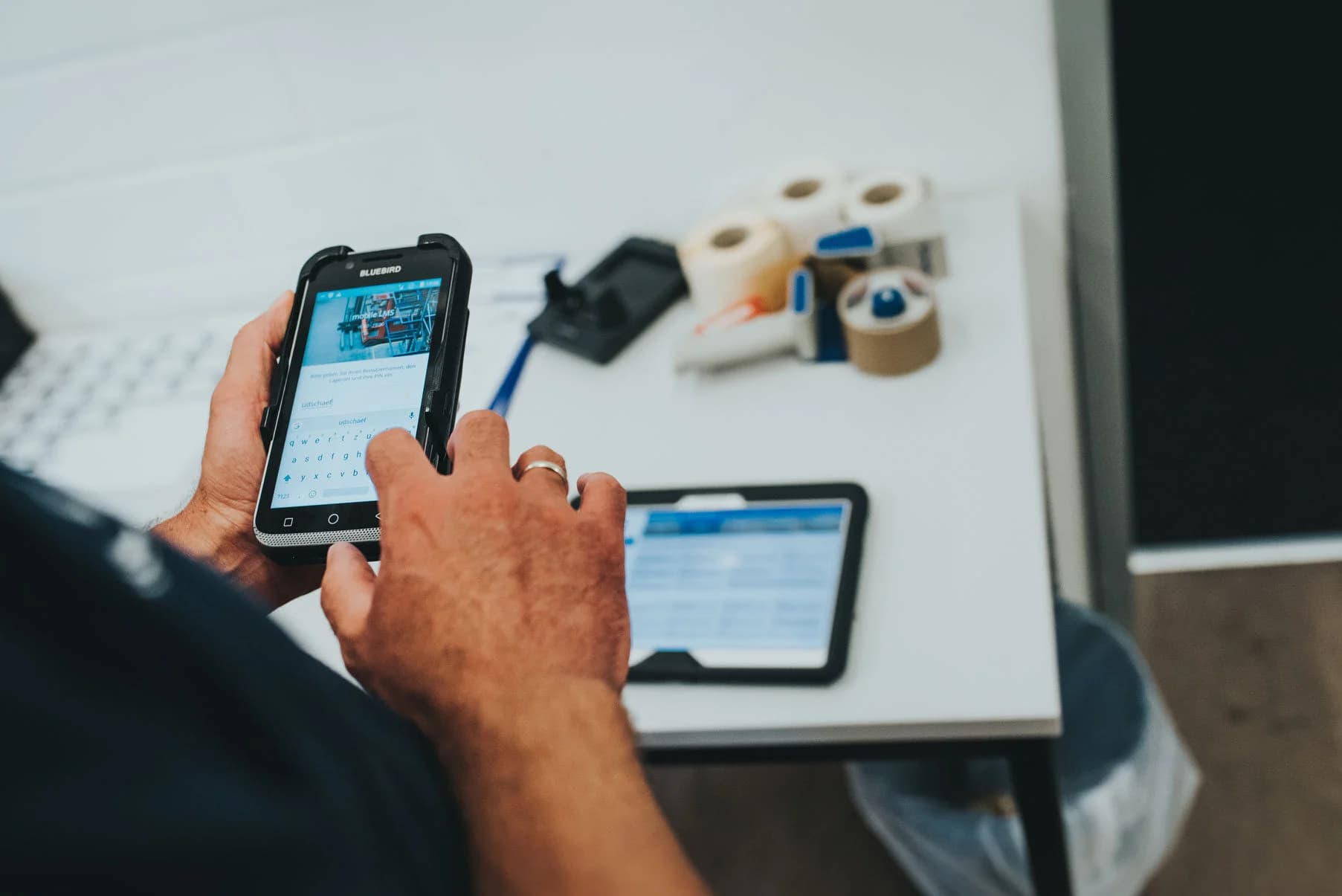
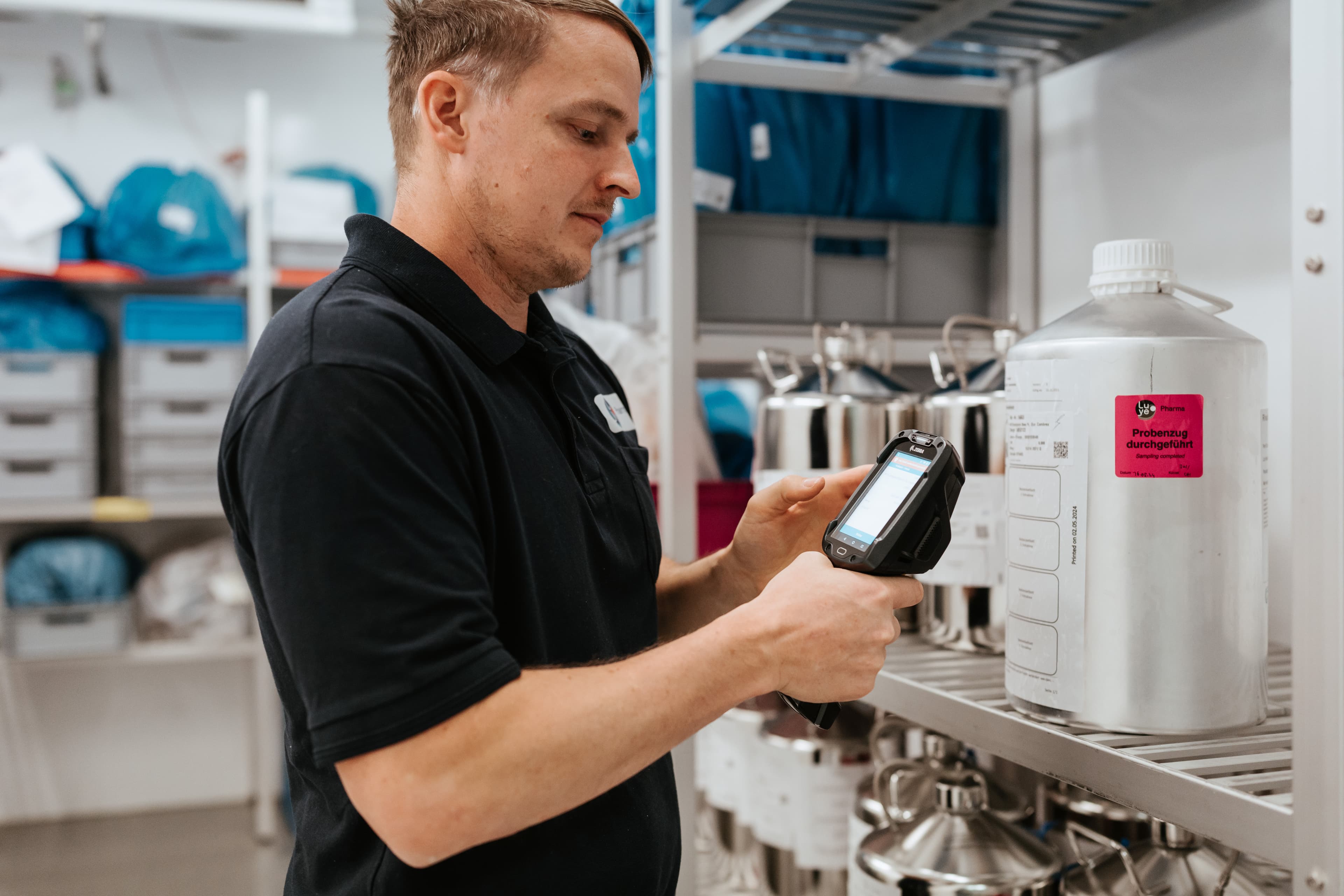
Introducing Mobile Data Entry in the warehouse is a comparatively simple and fast way to optimize processes in warehouse logistics. Such a solution, which relies on barcode scanners, can be fully integrated into the SAP system and thus enables paperless processing of activities in SAP Goods Receipt, Production Supply, or Shipping.
Integrated Work with Barcodes, Scanners, and Direct Booking
The paperless warehouse office—or the digital warehouse—can be implemented quickly and cost-effectively with standard software and modern mobile devices. The 5 most important benefits of mobile data entry in the warehouse are:
In many companies, mobile data entry has been common practice for many years. Companies that also wish to optimize their warehouse processes can look to diverse practical examples for guidance.
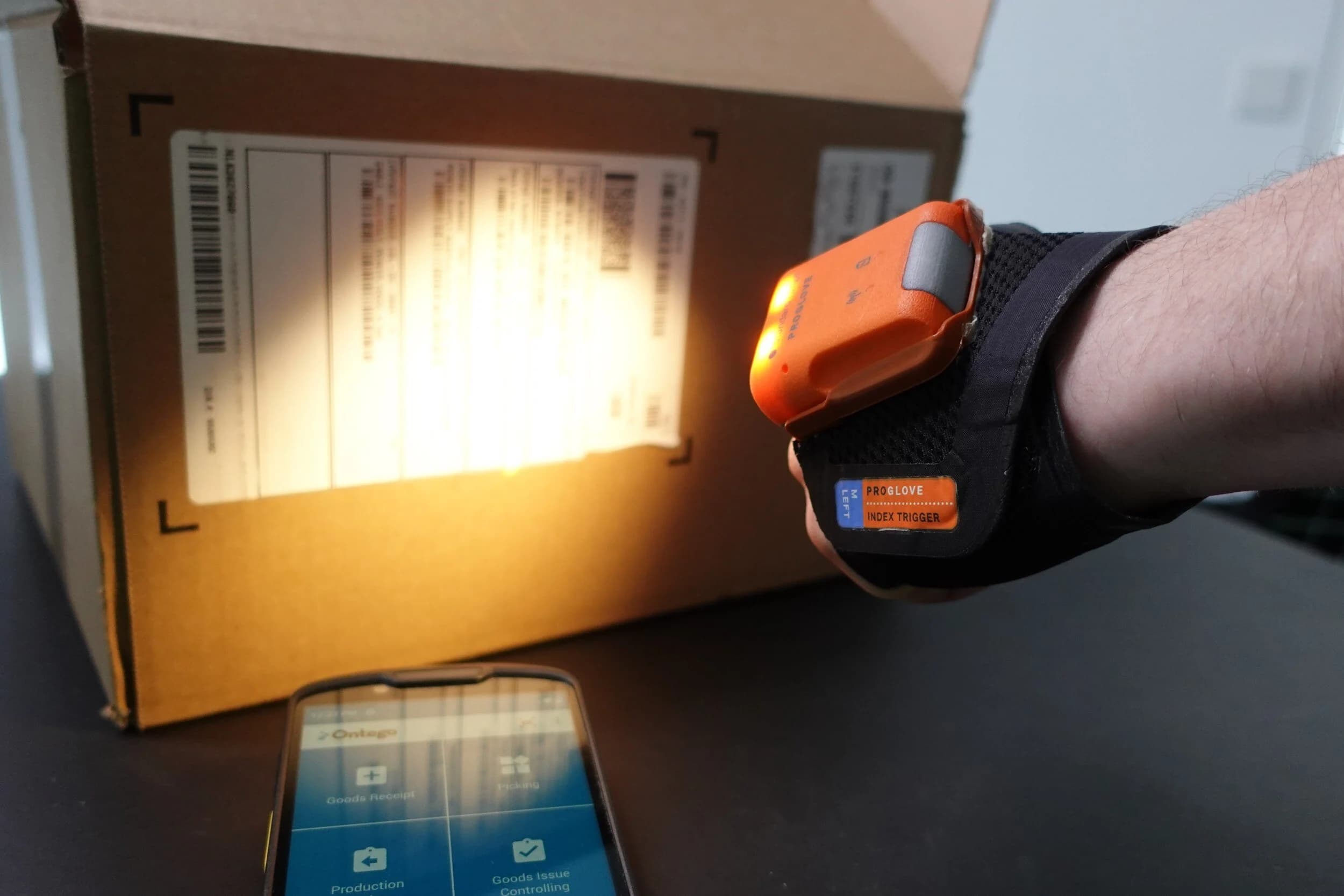
So-called mobile warehouse solutions are implemented today using standard software that integrates directly into SAP merchandise management or SAP warehouse management. The standard software is generally configured or customized so that company-specific process characteristics are mapped. Together with mobile devices—e.g., handheld scanners, forklift terminals, back-of-hand scanners—and potentially peripherals like label printers, warehouse processes can be handled significantly more efficiently than via classic paper documents.
The Disadvantages of Paper-Based Work
In a direct comparison with digital work, several weaknesses of a classic paper-based method of working can be identified:
- Loss of time
Sometimes long walking distances lie between the specific workplace in the warehouse and data entry, e.g., at the PC in the warehouse office, which can develop into a noteworthy cost factor over time. - Booking errors
Corrections on paper documents, such as delivery notes or picking lists, are usually made by hand. Illegible writing or transcription errors during entry at the SAP GUI can lead to incorrect bookings in SAP picking, which must be corrected subsequently and often with considerable time lag. - Lack of transparency
Due to the time lag between practical activity and booking in SAP, important real-time information is missing, for example regarding delivery and stock quantities, results of quality inspections, completed transfer orders, or the status of shipping orders.
This short list shows: Anyone responsible as a warehouse manager for continuous optimization practically cannot avoid the topic of mobile data entry.
Mobile Data Entry in the Warehouse: The 5 Most Important Benefits at a Glance
1. Time Savings

Employees receive their worklist in digital form in a logistics app on a handheld for processing. Processing is guided via user-friendly screens directly at the respective workplace in the warehouse, and unnecessary walking is eliminated. Follow-up processes, such as the putaway of goods receipts, can be processed further directly in the mobile software without having to print a transfer order and have the employee collect it—another small step for more efficiency in the processes.
2. Higher Data Quality
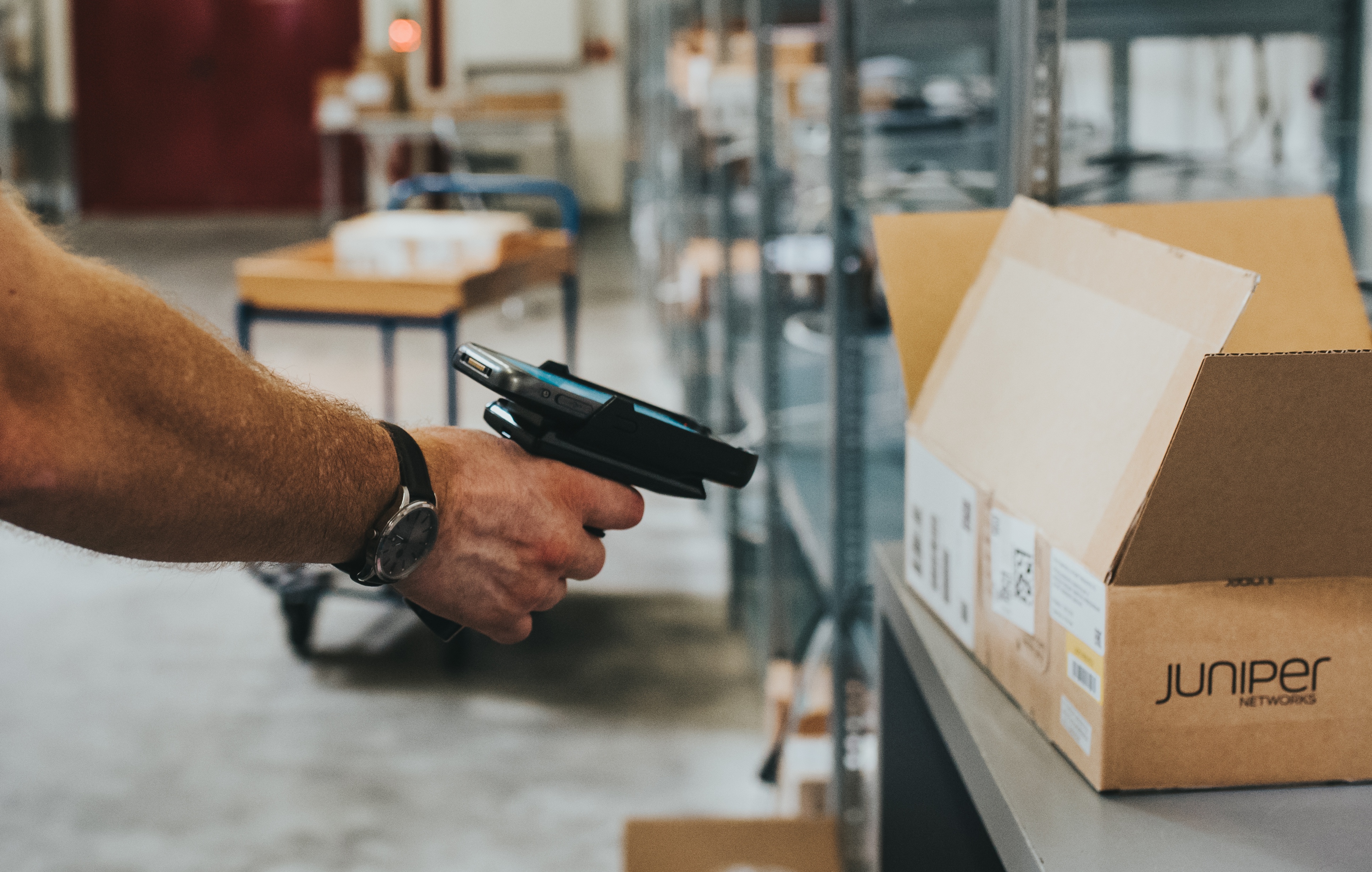
Input options on the mobile device are limited to the essentials—compared to the SAP GUI—and thus facilitate fast and correct data capture. All data that an employee enters into their mobile device can be checked by the mobile software (plausibility check). Control scans of storage bins or material barcodes ensure the material flow from the correct source bin to the specified destination bin or correct material withdrawals. Furthermore, SAP-side specifications and tolerances apply directly during digital data capture, and the employee can react immediately to warning notices. As a result, overall data quality increases significantly, and media disruptions are avoided.
3. Cost Savings
The digital processing of SAP warehouse processes makes it possible to save costs directly or avoid downstream costs. Classic cost savings result from increased employee performance, for example by reducing walking distances and enabling employees to process more orders per shift. This inherent advantage of a mobile warehouse solution can be supplemented by path-optimized order processing, for example, to pick material from a storage compartment for different production orders simultaneously. At the same time, personnel costs for the manual entry of paper documents into SAP are eliminated. Indirect costs caused by incorrect picking, late material provisioning, or errors in shipping can be reduced if potential sources of error are already detected and thus avoided during mobile processing.
4. Transparency and KPI Measurement
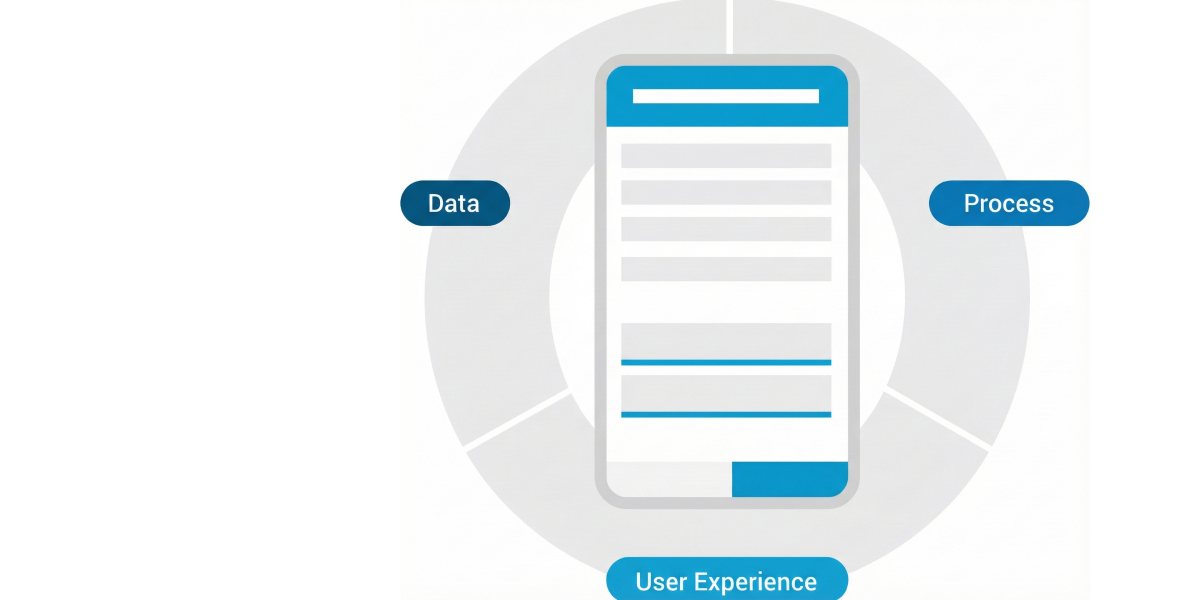
The use of mobile data entry in the warehouse makes it possible to create a history for every booking transaction, thus ensuring the traceability and assignment of every warehouse activity. In addition, warehouse managers or dispatchers can define Key Performance Indicators at the level of employees, workstations, or task types in order to continuously monitor and improve processes in the warehouse.
5. Higher Employee Satisfaction

Often underestimated, but no less important, is the employee factor. Employees expect an employer to provide them with modern equipment and tools. Today, such tools in the warehouse are robust handhelds or forklift terminals and other mobile hardware, including associated MDE software. Their operation generally poses no special demands on employees who are used to handling mobile devices like smartphones and tablets in their private lives. Ideally, modern tools not only satisfy the employee but are even fun to use.
Conclusion
Warehouse optimization is a continuous process. Mobile data entry is a fundamental way to improve processes. Here, too, the details matter. Mobile processes are evolving, and this further development will be reflected in the hardware and software used. In addition, digital solutions enable creative and flexible new processes that seem impossible in a paper-based warehouse.

Know-how
Speak to an expert in mobile data capture in SAP logistics.