
1 OF 3
Ontego for Logistics Manager
Mobilize Your Logistics Team
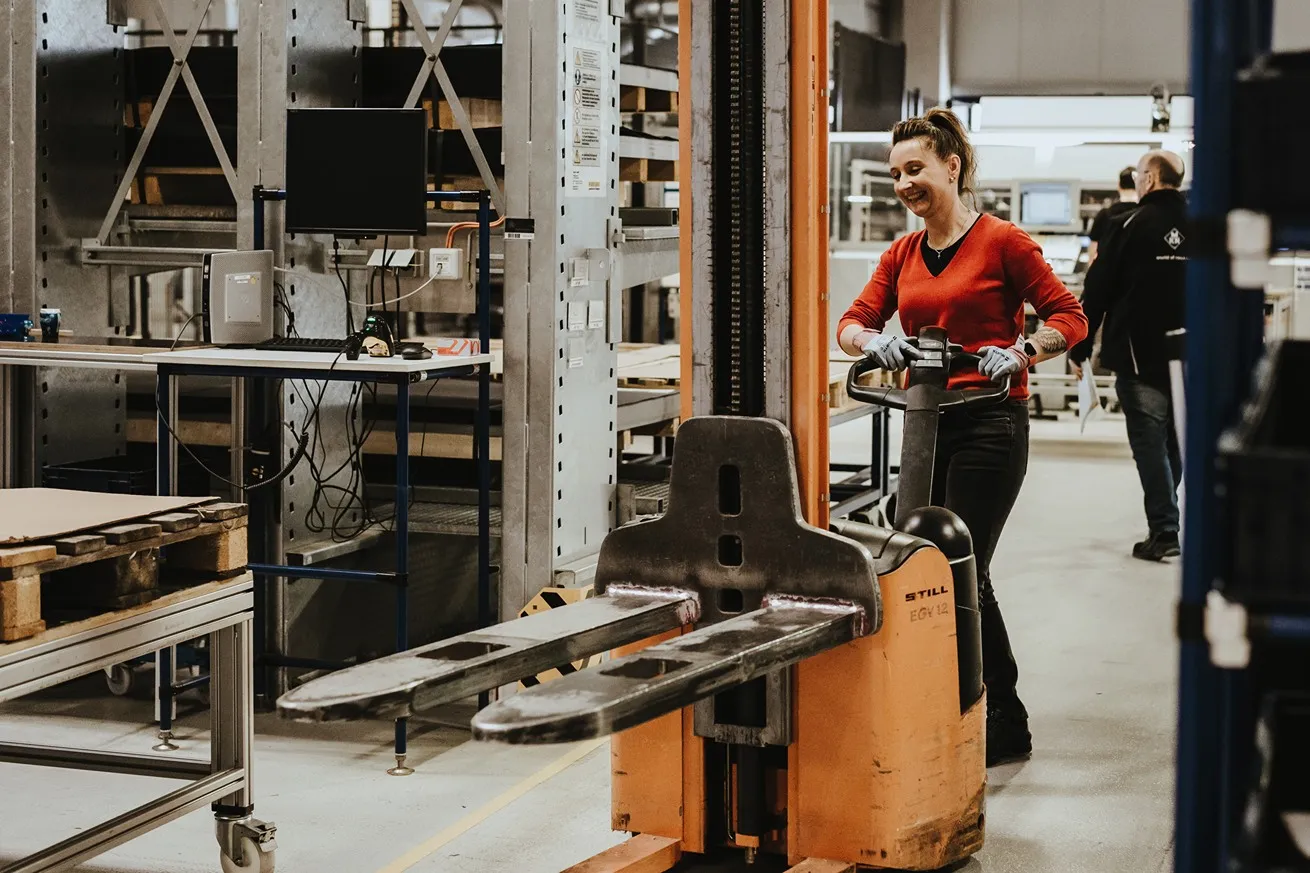
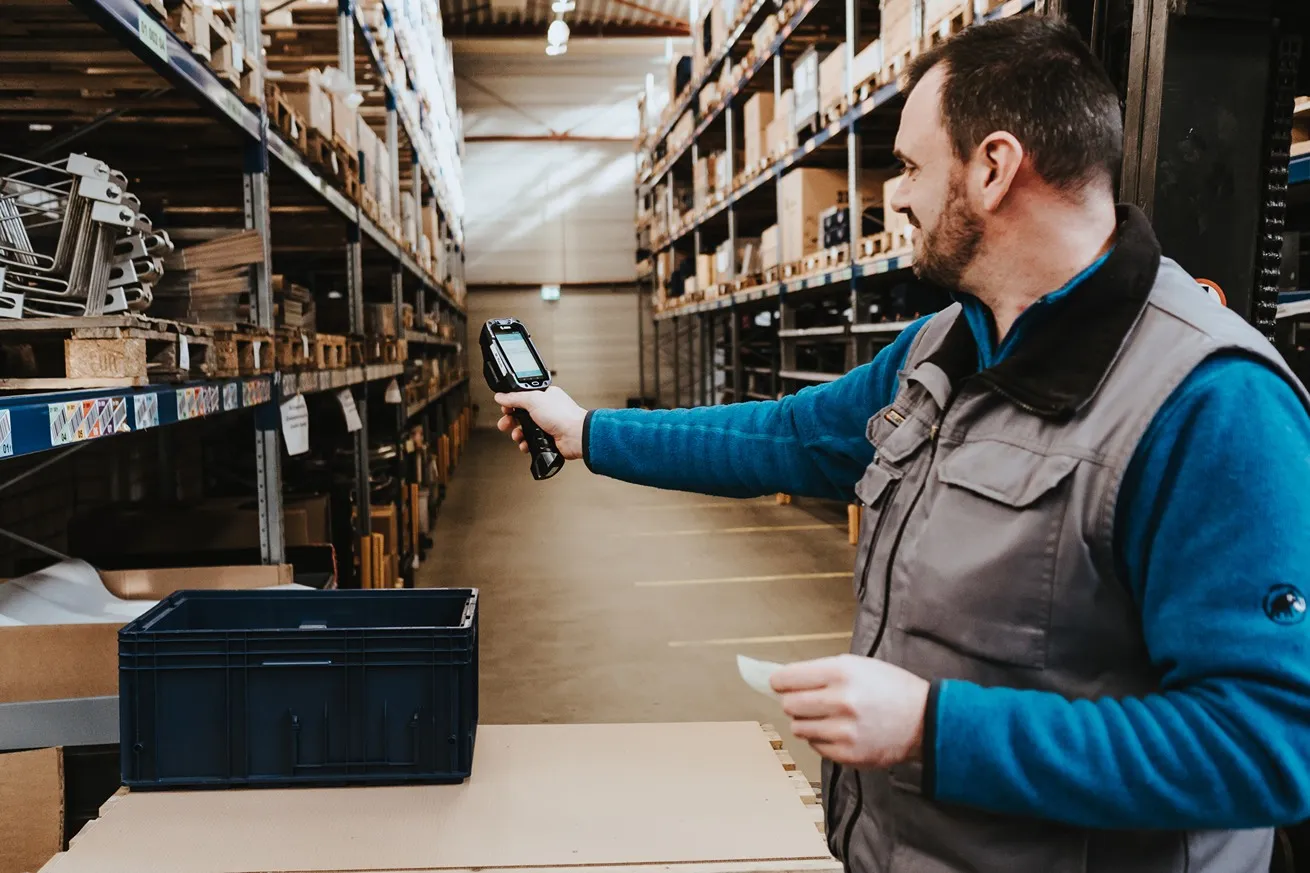
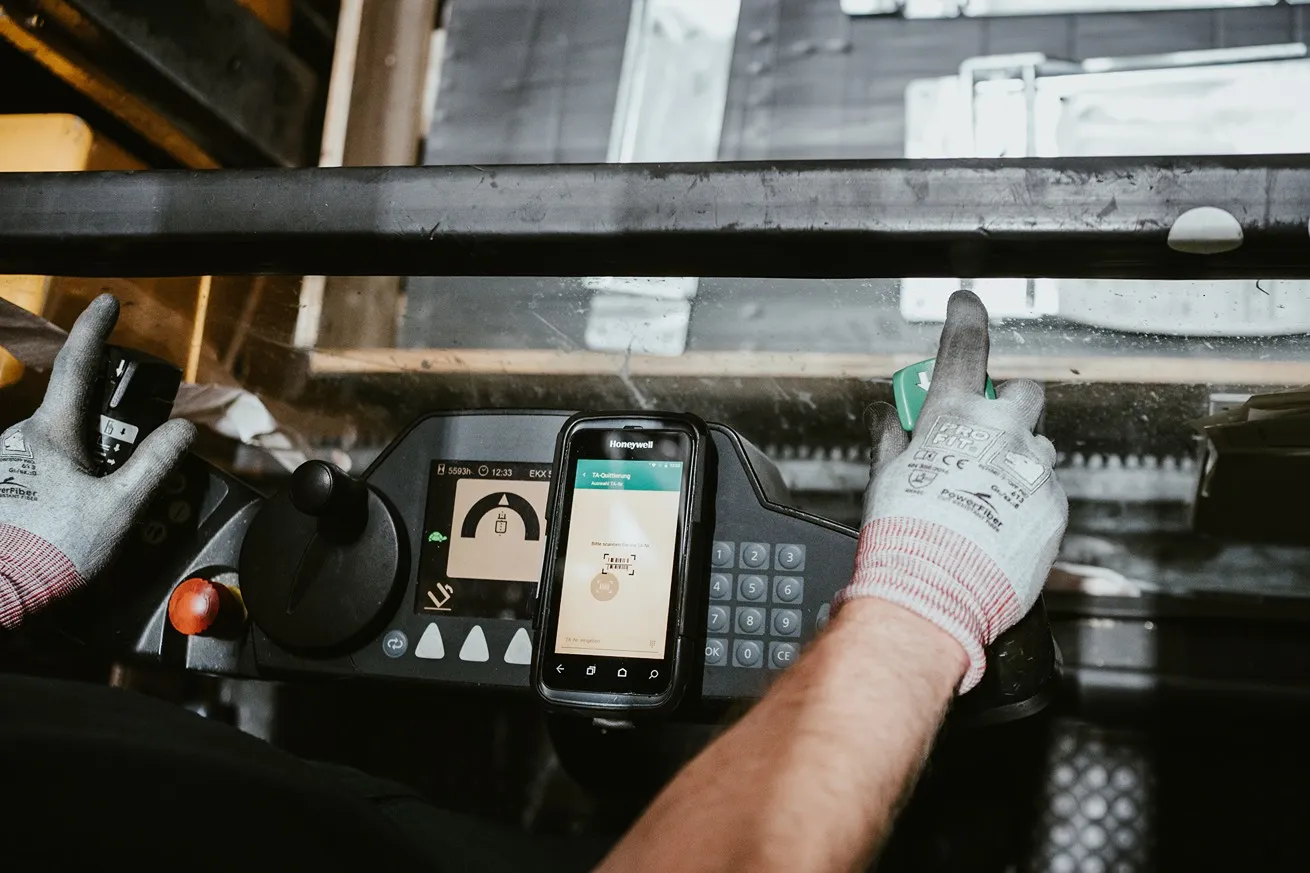
Logistics teams stay on the move. Ontego brings SAP processes directly where logistics work happens.
SCROLL DOWN
Built Around Real Logistics Work
Physical processes, time pressure, and constant movement define your day. The system should adapt to that reality.
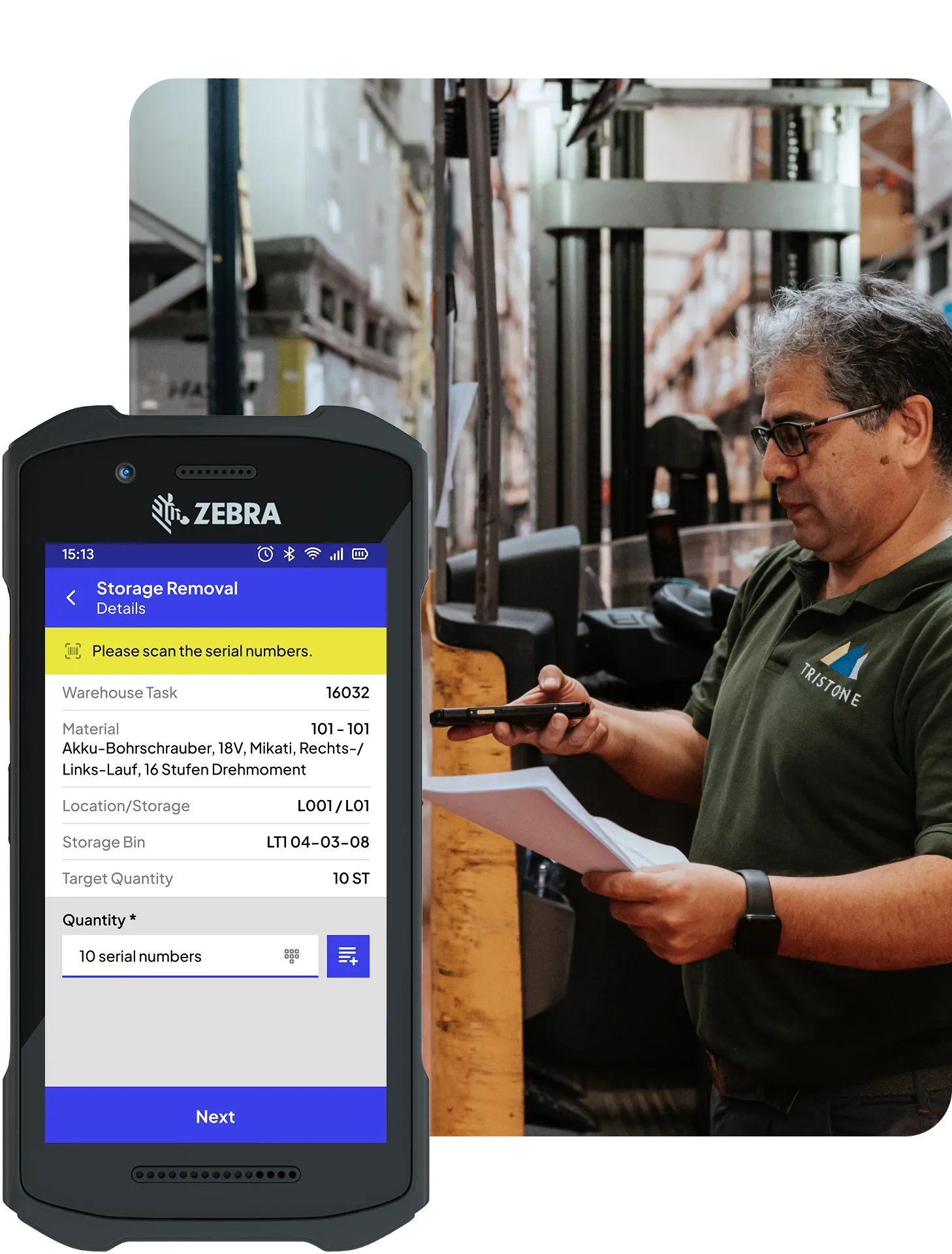
Work Happens in Tasks, Not Screens
Your team works on physical tasks and priorities, not system menus and paperwork. Every extra form, duplicate scan, or trip to a workstation is time lost.
Time Pressure Leaves No Room for Friction
Across multiple zones, delays compound quickly. If a worker has to stop, navigate menus, or return to a workstation to fix an issue, the entire flow slows down.
Every Zone Has Different Demands
What matters at the loading dock is different from what matters in high-bay storage or at a production line. People need the right information for where they are and what they are doing right now.
Systems Should Guide, Not Interrupt
Most systems force workers to translate real tasks into system logic. Ontego follows each role's sequence, surfacing only what the current step requires.
End-to-End Coverage Across Your Entire Logistics Flow.
One connected solution built on 120+ SAP-aligned logistics best practices. Covering what your team runs daily, ready to adapt where needed.
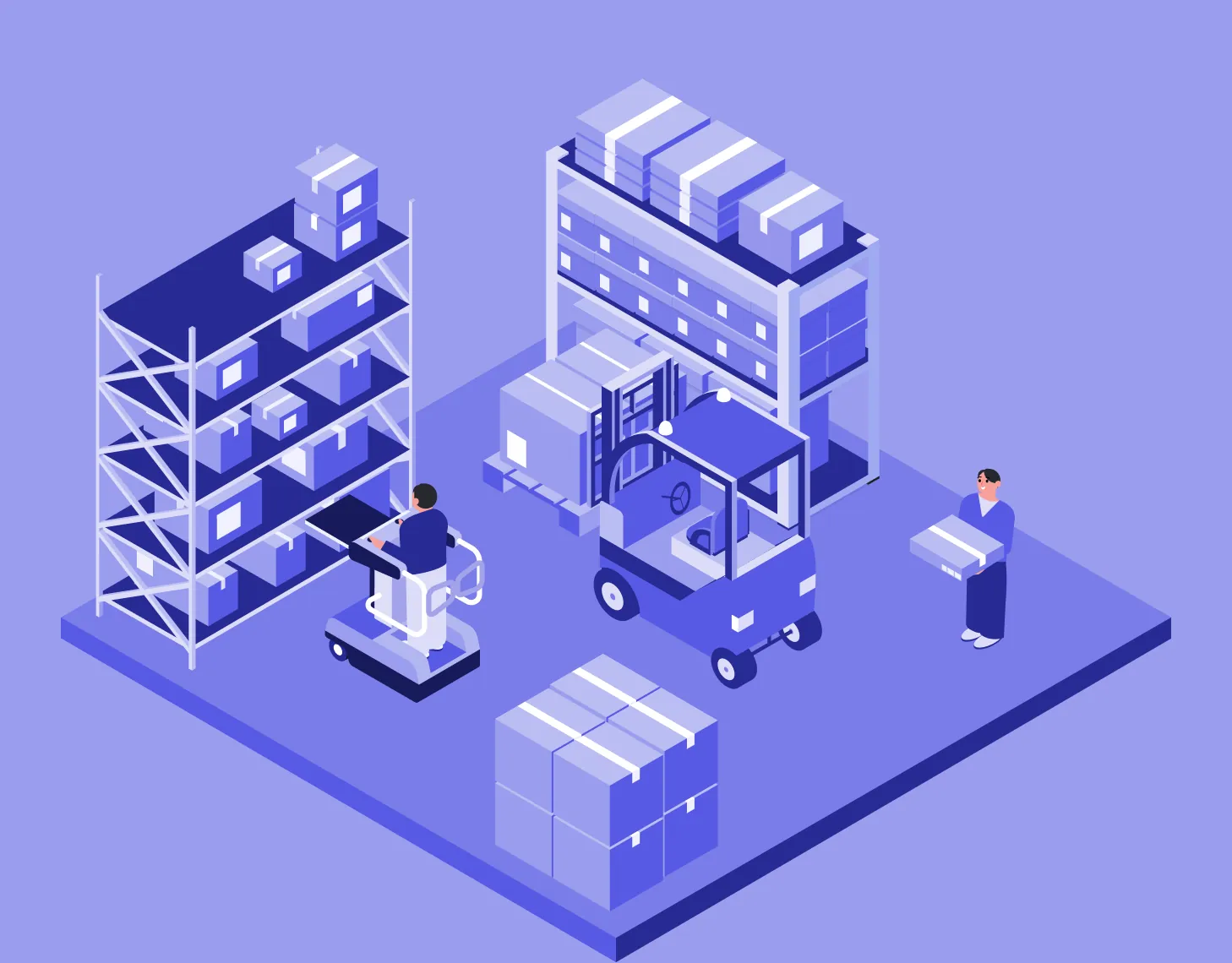
Warehouse
Keeps inventory flowing from receipt through storage, ensuring materials are staged and ready for production handoff.
Process Scope:
- Goods receipt and quality handling
- Putaway and bin management
- Stock transfers and relocations
- Internal replenishment
- Storage bin operations
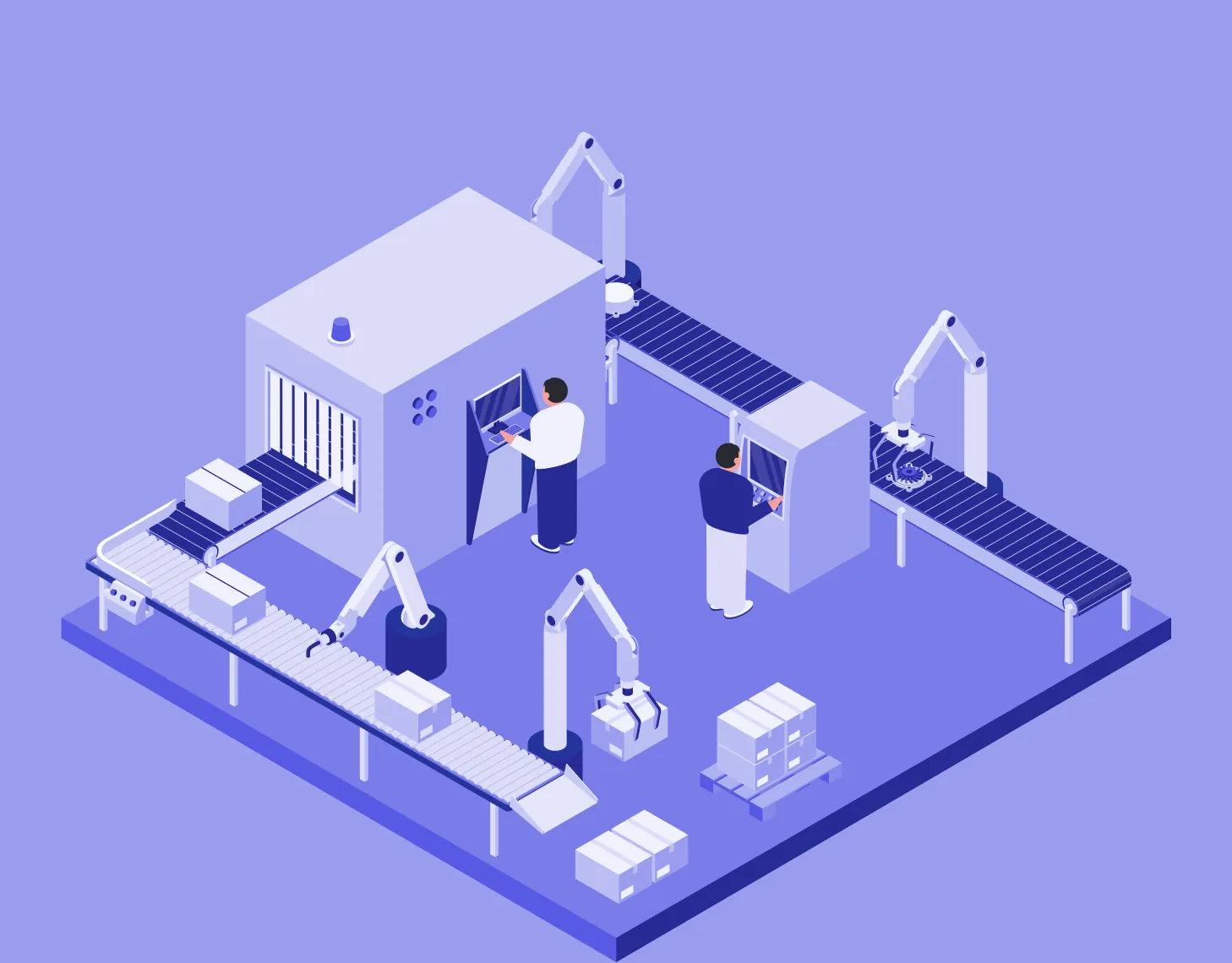
Production Supply
Ensures materials reach production lines reliably and on time, with every movement confirmed in SAP as it happens.
Process Scope:
- Backflushing support
- Material staging to work centers
- Withdrawal and consumption posting
- Goods issue to production orders
- Line side supply processes
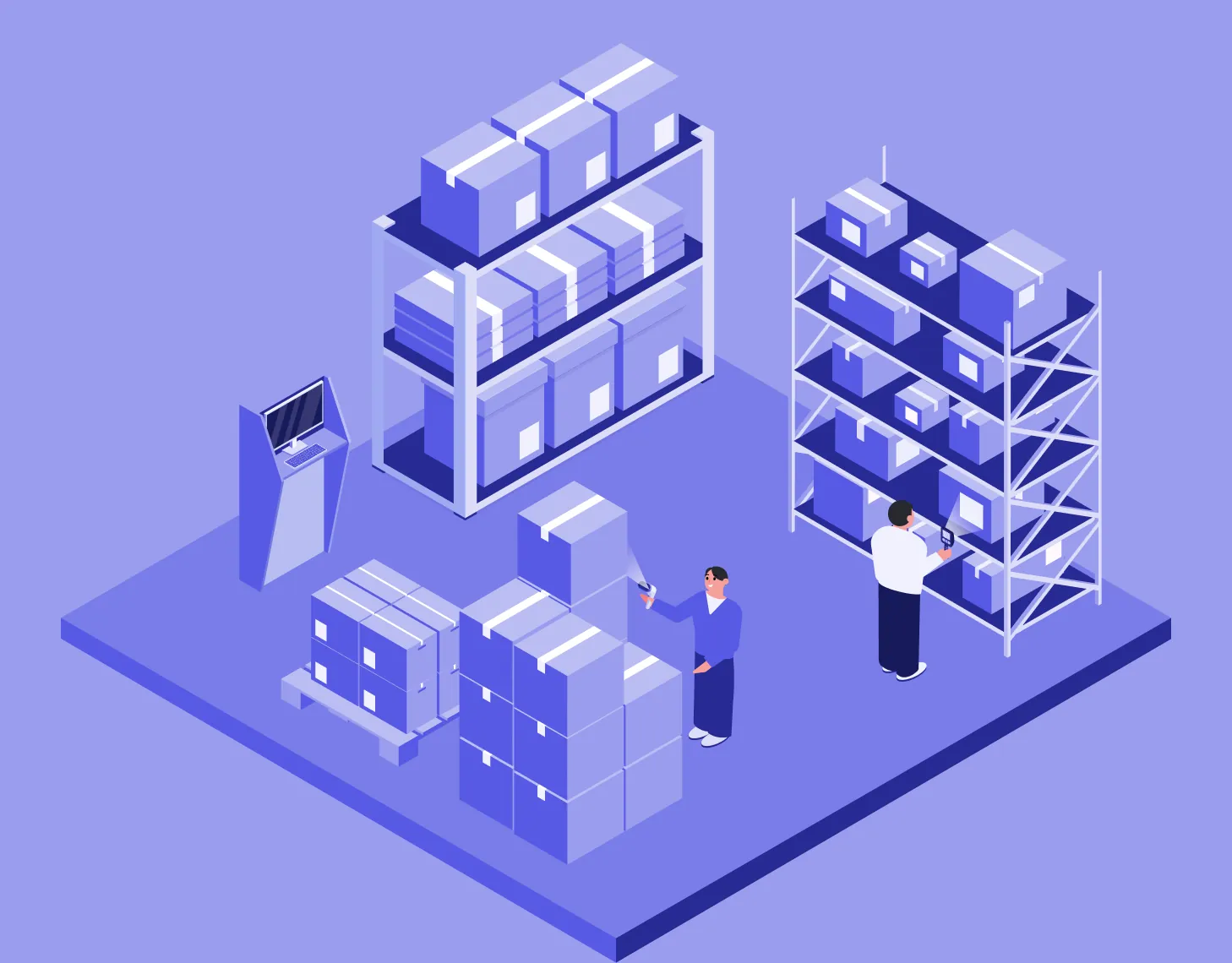
Inventory & Outbound
Supports accuracy and speed when demand is highest, from cycle counts through picking, packing, and dispatch.
Process Scope:
- Cycle counting and physical inventory
- Picking and packing workflows
- Verification scans before shipment
- Order consolidation
- Goods issue and dispatch
Scroll the bar
You Know What Needs to Change. We Know How to Get There.
Most logistics teams know where mobile processes would help. The challenge is turning that into a project with clear scope and a realistic rollout plan.
1
Getting IT on Board Should Not Be Your Problem Alone
Ontego bridges the gap with an Evaluation Call that brings operations and IT together early. Both sides start with a shared scope from day one.
2
You Do Not Need to Run an IT Project
Ontego starts with your operational reality and translates it into a structured, fixed-price project. You stay involved where it matters.
3
120+ Best Practices From Real Implementations
In the Evaluation Call, a project manager maps your processes against 120+ best practices. You see what fits, what needs adapting, and how to roll out.
SCROLL DOWN
TRUSTED BY
INDUSTRY LEADERS
We help logistics managers with smart solutions to optimize operations and achieve real results.

The Right Tools for the Job
Structured consulting meets years of experience, for tailored solutions that truly work.
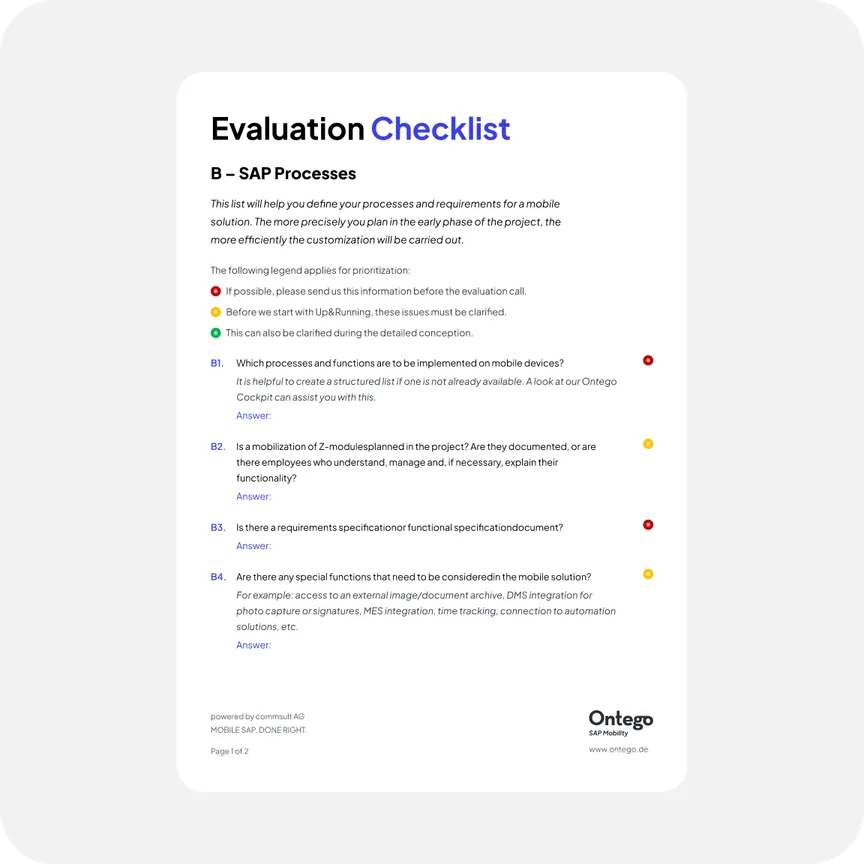
Ontego Checklist
Ontego Cockpit
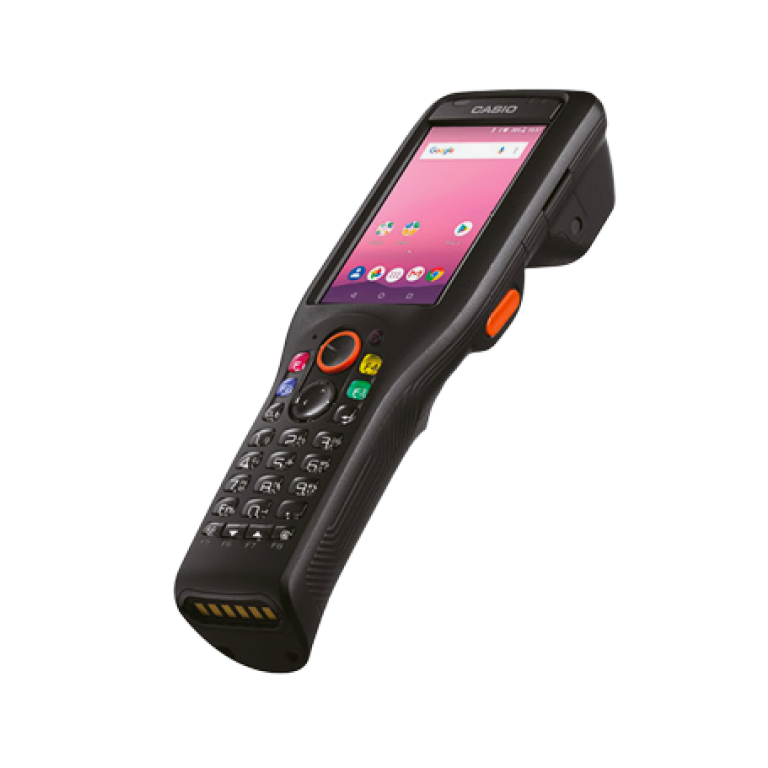
Hardware Finder
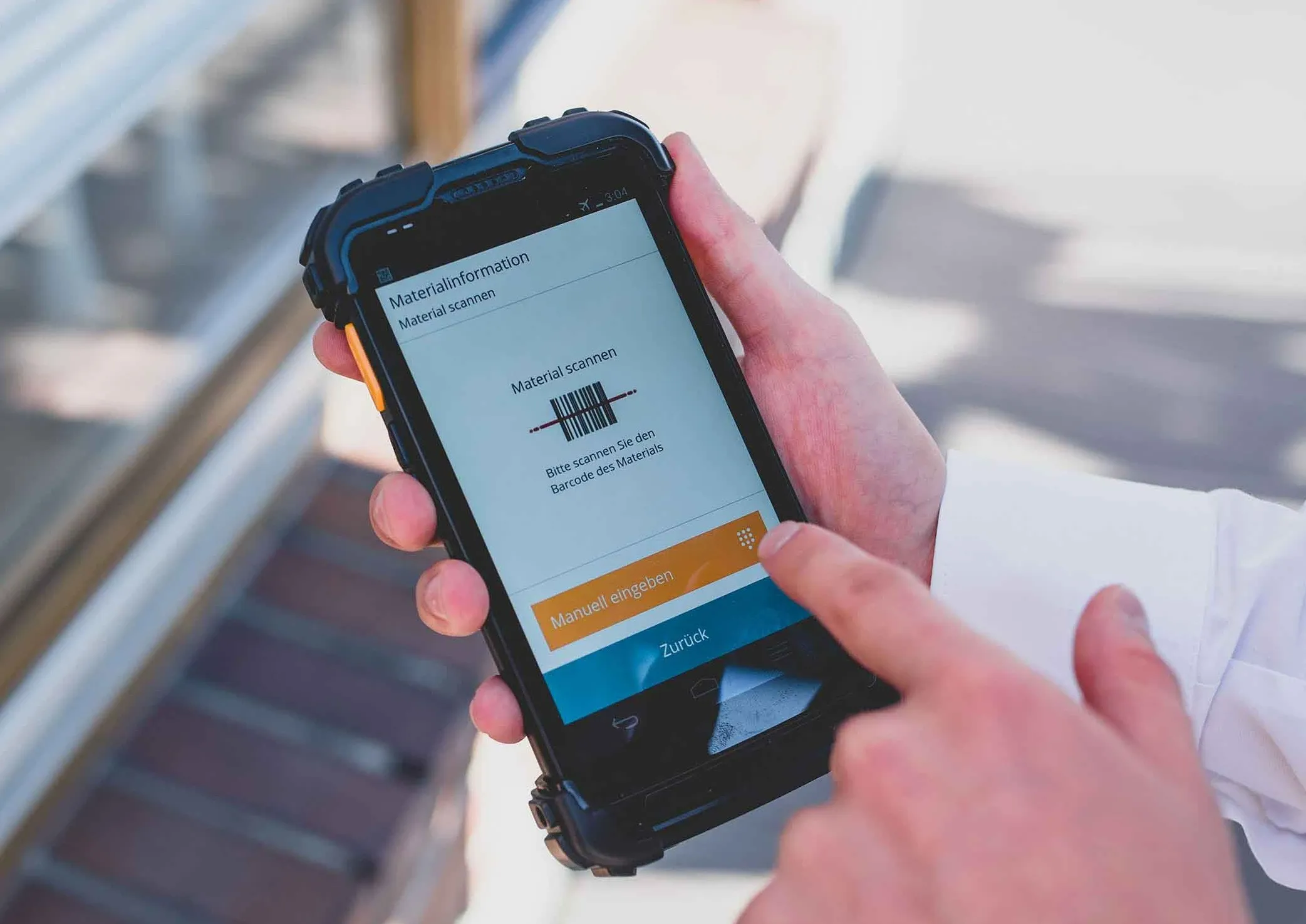
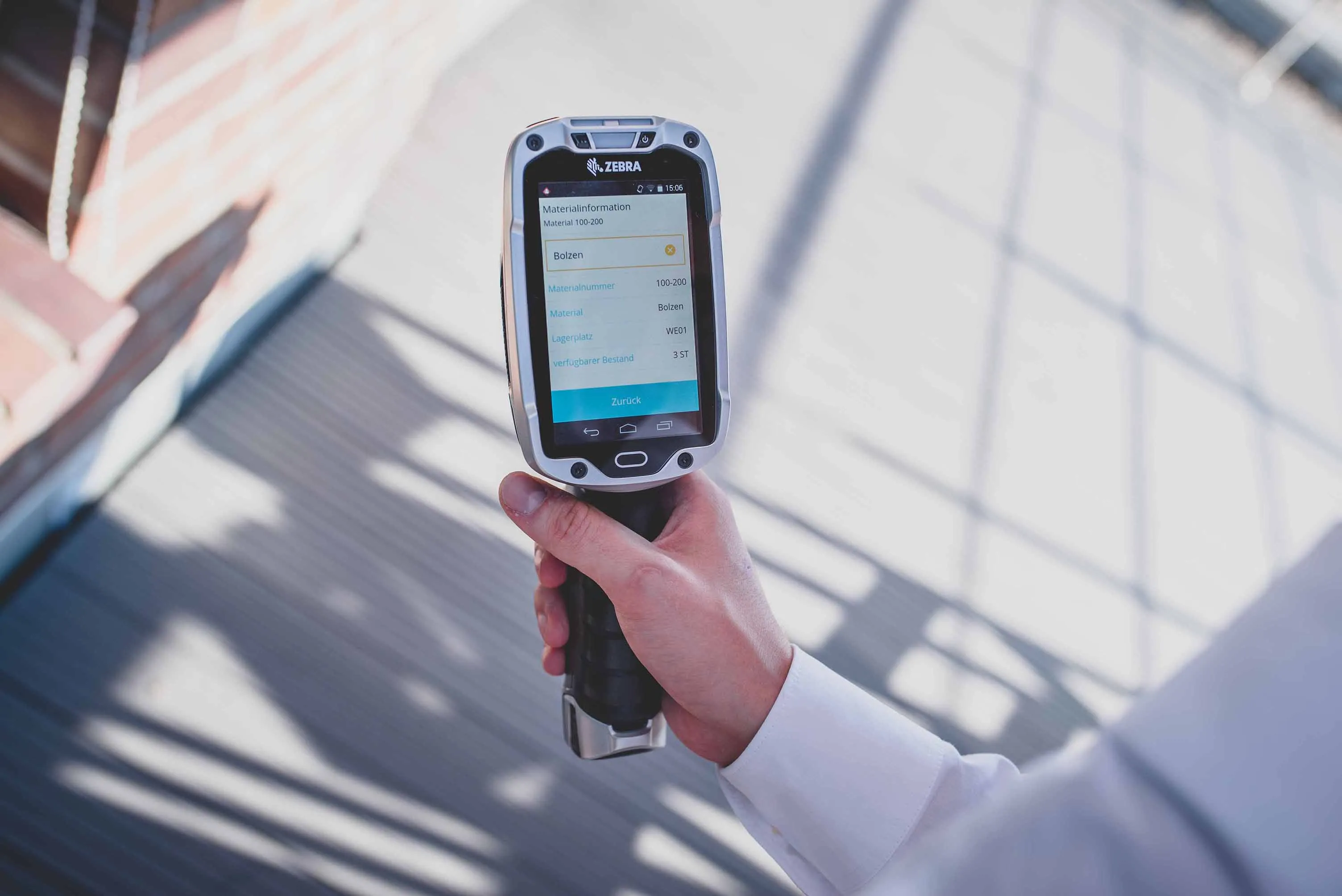
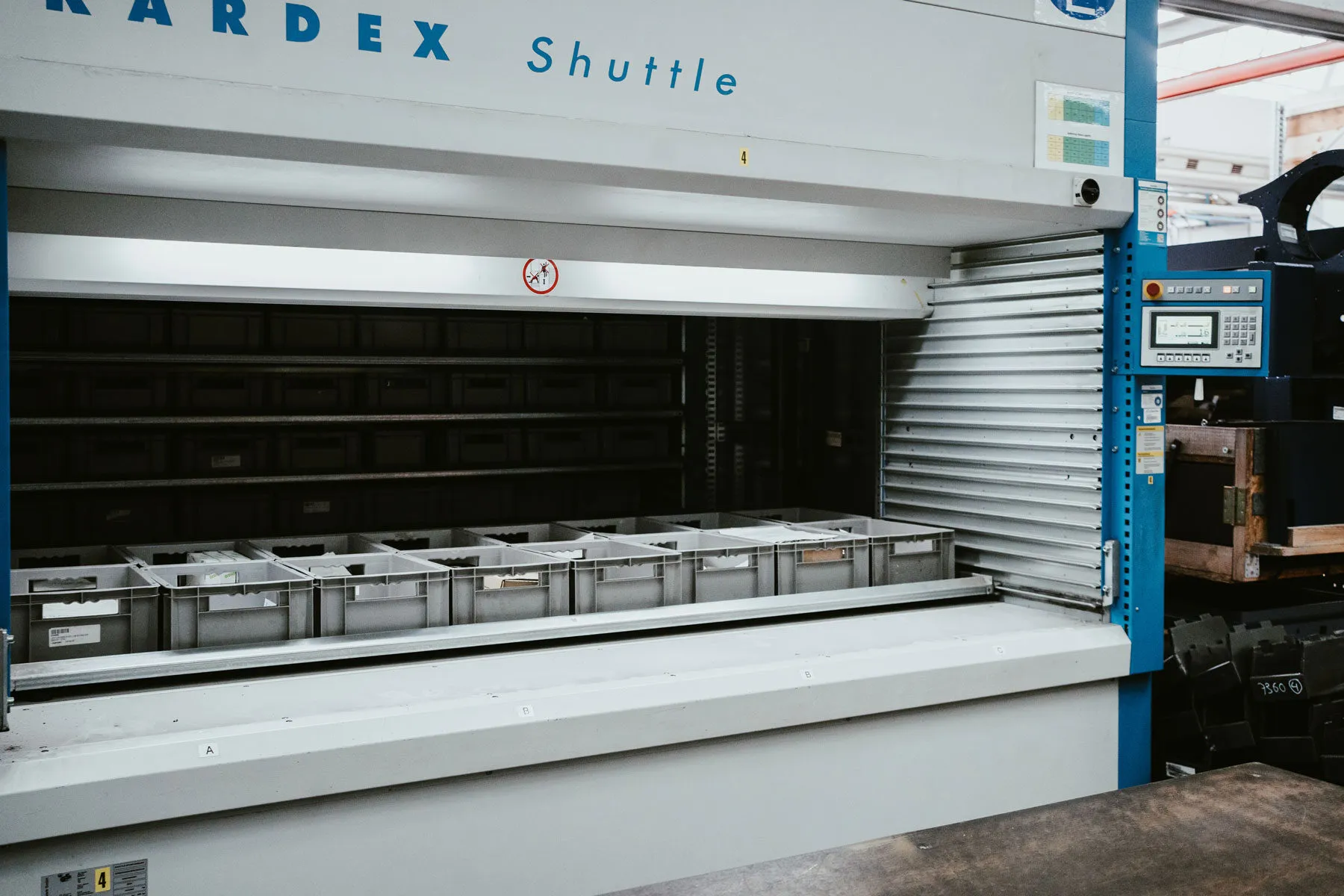
Looking for more information? Read our blog for expert insights, real success stories, and practical tips around mobile data collection with SAP.
Frequently Asked Questions About Ontego SAP
Common questions from logistics teams evaluating mobile SAP execution for their operations.
How do I know if Ontego covers my specific logistics processes?
The Ontego Cockpit includes best practices for 120+ logistics processes across inbound, warehouse, production supply, and outbound operations. During the Evaluation Call, an SAP project manager maps your actual processes against these practices — so you get a clear, evidence-based fit assessment, not assumptions.
We already have SAP configured for our warehouse. Does Ontego work with our existing setup?
Yes, Ontego integrates with your existing SAP configuration and executes your current processes on mobile devices without changing the underlying system. It connects using OData, web services, the Ontego Add-On, or the Ontego Middleware depending on your landscape, while SAP remains the system of record and Ontego serves as the mobile execution layer.
What does an Ontego project look like operationally?
The project follows a defined, fixed-scope sequence designed to minimise disruption to ongoing operations. It begins with a concept phase that includes a visual prototype of your key processes, followed by development using the Ontego SDK, then testing, training, and a structured rollout so your team learns the system in the context of real work.
What about unstable Wi-Fi in warehouse zones?
Offline capability can be supported through the Ontego Middleware option, which allows devices to continue operating during connectivity gaps. Data is stored locally on the device and automatically synchronised with SAP once the connection is restored, a common requirement in large warehouses and production environments with uneven coverage.
How long does implementation typically take?
The standard project model delivers in 3 to 6 months at a fixed price, with scope and budget agreed upfront. For pilots or proof of concepts, a usage-based model with shorter timelines is also available. The exact timeline depends on your process scope, SAP complexity, and rollout approach.